

European branding, licensing and GamStop status mean different things, and none alone confirms that a casino is authorised to serve Great Britain.
What a European Online Casino Means for UK Players
“European” can describe a company’s location, the markets it serves or the image used on its website. It does not, by itself, tell you which rules govern an online gambling service offered to people in Britain. A casino may have European branding or be operated from another European country, but the relevant question for a UK player is whether its service is authorised to serve the British market.
For remote gambling operators selling to customers in Great Britain, the location of the business does not replace the need for a licence from the UK Gambling Commission. Online gambling is legal in the UK only through licensed and regulated sites. A foreign licence, or a claim that a casino is European, is not the same as a UK Gambling Commission operating licence.
That distinction matters because a website can look international while its legal position depends on where it offers gambling. A company’s address and the language or currency displayed on its site may describe aspects of its business, but they do not establish that its UK-facing service complies with British requirements. Nor does calling a site an “online European casino” settle which regulator oversees the service available to you.
If you’re considering a non-GamStop casino, payout timing is one practical detail to check. Use the information below as a brief reference when deciding what to look into further.
1. BeOnBet
Payout speed: 1-3 business days BeOnBet lists a payout speed of 1–3 business days, giving you a stated timeframe to consider.
2. WinBeast
Payout speed: 1-3 business days WinBeast lists payouts as taking 1–3 business days. This is the available detail to guide your initial assessment.
3. SpinFormula
Payout speed: 1-3 business days SpinFormula has a stated payout speed of 1–3 business days, which gives you a timeframe to bear in mind.
4. SlotoSport
Payout speed: 1-3 business days SlotoSport lists a payout speed of 1–3 business days. You can use this as a reference point when considering the operator.
5. Chanze
Payout speed: 1-3 business days Chanze states a payout speed of 1–3 business days, providing you with a clear timeframe to note.
6. NightWin
Payout speed: 1-3 business days NightWin lists payouts as taking 1–3 business days. That stated timing is the available point of note.
7. Britsino
Payout speed: 1-3 business days Britsino gives a payout speed of 1–3 business days, a useful timing detail for you to keep in mind.
8. Zombillion
Payout speed: 1-3 business days Zombillion lists a payout speed of 1–3 business days. You can factor this stated timeframe into your research.
9. Revery Play
Payout speed: 1-3 business days Revery Play states that payouts take 1–3 business days, giving you a timeframe to consider.
10. Dieselwin
Payout speed: 1-3 business days Dieselwin lists payouts as taking 1–3 business days. This stated timing is the available detail for your initial review.
The phrase “European online casino” is therefore broad rather than a clear regulatory category. It can refer to a casino based in Europe, one that accepts customers from several countries, or simply a site using European identity in its presentation. Those descriptions are not interchangeable, and none alone confirms that the operator may lawfully provide remote gambling to customers in Great Britain.
The rules follow the service, not the branding
The UK’s licensing framework applies to operators offering remote gambling to the British market, regardless of where the operator is based. That means an overseas location does not exempt an operator from the requirement to hold the relevant UK Gambling Commission licence when it sells gambling services into Great Britain.
This is different from asking where a company is incorporated or which other countries it serves. A business may operate under rules in another jurisdiction, but those rules do not take the place of the British licence required for its service to customers here. For a player, the useful distinction is between a casino’s international identity and the regulatory status of the particular service being offered in Britain.
Non-UK-Registered Casinos: Licensing Explained
The term “European casino online” can make a site sound geographically familiar or broadly available. It does not establish that the site is covered by UK consumer and gambling regulation. A description on a homepage is not a substitute for the legal status of the operator’s British-facing service. The same applies to claims about being among the best European online casinos: promotional wording is not evidence of regulatory approval.
This is not a distinction about whether a casino is physically located in the UK. Remote gambling is delivered online, and the operator’s location may be elsewhere. The important point is that an operator serving Great Britain must meet the requirements that apply to that market. A European address does not make those requirements disappear.
Where GAMSTOP fits
GAMSTOP is Great Britain’s national online self-exclusion scheme. It is a multi-operator scheme: a player’s exclusion blocks access across participating licensed online gambling websites and apps, rather than being limited to a single participating operator.
The word “participating” is important. GAMSTOP operates across the licensed online network covered by the scheme; it is not a label meaning that every gambling site anywhere in Europe is included. The scheme’s role should not be confused with a casino’s location or its branding. A site described as European is not thereby covered by GAMSTOP, and that description also does not explain the site’s status under British licensing rules.
For UK readers, these are related but separate questions. One concerns whether an operator is authorised to provide remote gambling to customers in Great Britain. The other concerns whether an online gambling account or service falls within the participating network blocked by GAMSTOP. Treating “European” as an answer to either question can blur a distinction that matters.
A description of a site as "European" does not establish its regulatory status under British licensing rules or whether it is covered by the GAMSTOP network.
A casino may present itself as international, but that presentation cannot tell you which protections apply to its British-facing service or whether it belongs to a particular self-exclusion scheme. The terms used in a site’s name or marketing are not regulatory categories. “European” can describe geography or style; it does not establish a UK licence, and it does not define the reach of GAMSTOP.
That is the central point behind the phrase “European online casinos” for UK players: geography and branding are not the same as the rules governing access from Great Britain. The applicable UK framework is determined by the service being offered to the British market, while GAMSTOP applies across its participating licensed websites and apps.
Roulette and the Limits of What Can Be Verified
A European roulette table may be what you have in mind when looking for an online casino, but the name of a game does not establish who operates the site, what rules apply to its service or whether it is appropriate for you. Labels such as “premium” and “VIP” describe how an offer is presented; they do not change the obligations attached to a self-exclusion agreement.
That distinction matters if you have excluded yourself from a gambling business. Self-exclusion is a formal agreement not to gamble, not simply a preference about which games to play. If you made that agreement with a venue or website, you are responsible for keeping to it. The excluded business must refuse you service. Looking for roulette elsewhere does not cancel that commitment.
Trusted Casinos Not on GamStop UK: What to Check
A game label is not permission to play
Roulette searches can focus attention on the table: its name, presentation or apparent level of service. For someone who is not self-excluded, those may be questions to consider when deciding what to play. For someone who has agreed to stop gambling, they are secondary. The important point is that the agreement applies to gambling, not just to one roulette format or one type of account.
A self-excluded customer should not expect to access the accounts covered by the agreement or receive gambling service from the businesses they excluded themselves from. A site displaying a roulette game does not make an existing exclusion irrelevant. Nor does a more exclusive-sounding table turn gambling into something outside the agreement.
The same applies to language suggesting that a table is “European”, “premium” or intended for VIP customers. Those descriptions may appeal to different preferences, but they do not alter the basic boundary: if you have excluded yourself from a business, you should not gamble with it. A search for another roulette experience is not a reason to treat self-exclusion as suspended.
Why a “best” label is not the deciding factor
A ranking can make casino choice sound like a comparison of tables and features. But a title such as “best European roulette casino” cannot answer the question that matters most to an excluded player: whether gambling is consistent with the agreement they made. It is not. Self-exclusion is an agreement not to gamble, and the player has responsibility for observing it.
That can be inconvenient when a site presents a game as a new option or gives it a different label. The inconvenience does not make the agreement less clear. If a venue or website is one you excluded yourself from, it should refuse service; you should not try to turn a game search into a route back to gambling there.
Self-Exclusion
Self-exclusion is a formal agreement not to gamble; seeking another roulette table or opening a new account elsewhere to bypass this decision is not a safe substitute for respecting it.
And if you excluded yourself from one business, opening another account elsewhere to get around that decision is not a safe substitute for respecting it. A different table or brand does not change the reason you chose self-exclusion. The practical response is to stop, rather than to keep comparing roulette options.
Keep the boundary in view
For a player who has not self-excluded, choosing a roulette game and choosing a casino are separate decisions. For an excluded player, the game choice should not come first. The relevant question is whether the agreement rules out gambling with that business. If it does, do not attempt to access the service, whether the route appears to be a familiar account, a new table or a different presentation of roulette.
Self-exclusion is intended to create a clear barrier between you and gambling at the businesses covered by your agreement. Treating it as applying only to a particular game would undermine that purpose. A venue or website from which you excluded yourself is not supposed to serve you, and you remain responsible for not gambling under the agreement.
Roulette can wait. If you have made a self-exclusion agreement, the responsible choice is not to seek a supposedly better table or a more exclusive experience, but to honour the decision not to gamble.
How to Assess a Casino Site Without a Names List
A European label, a polished website or a list of games tells you little about how a casino would handle self-exclusion. Assess the individual site by establishing who operates it, whether it is authorised to serve customers in Great Britain, and what its own exclusion process requires. These checks matter more than claims that a site is among the best European casino sites or a new arrival.
Casinos That Bypass GamStop: What the Label Means
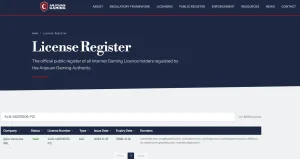
Start with the operator’s legal identity and its licensing information. Remote gambling operators offering services to people in Great Britain must hold a Gambling Commission licence, wherever the business itself is based. You can check the operator against the Commission’s public register; a logo or licence number displayed on a site is not, by itself, proof that the licence covers that business and website. If you cannot match the site to an authorised operator, do not treat it as a UK-licensed casino.
Next, look for the site’s Responsible Gambling or Safer Gambling section. A gambling business must offer self-exclusion, and the instructions should explain how to make a request. For one website or app, follow those instructions; if you cannot find them, contact customer services and ask how to exclude yourself. Keep the response and any confirmation. A vague statement that the operator “supports responsible play” is not a substitute for a clear way to exclude yourself.
Then establish how the site relates to GAMSTOP. GAMSTOP blocks access across participating licensed online gambling websites and apps in Great Britain. Participation became compulsory for online operators under the Gambling Commission’s rules on 31 March 2020. So if a site is genuinely operating under a UK Gambling Commission licence, it should not be presented as outside the scheme. A European brand name or a claim that a casino is based abroad does not settle the question: check the operator and the licence behind the particular site.
Assessing a Casino
Check Legal Identity
Verify the operator’s licensing information against the UK Gambling Commission’s public register.
Locate Safeguards
Find the Responsible Gambling or Safer Gambling section to see how to make a self-exclusion request.
Verify GAMSTOP Status
Establish if the operator is part of the participating licensed online network in Great Britain.
If an operator says it is not part of GAMSTOP, that statement should prompt careful checking, not an assumption that the site offers a safer alternative. It may be outside the UK-licensed network, and that would not make it a way to end an existing exclusion. A site’s own description of its safeguards also cannot establish that it will reliably identify and refuse an excluded customer.
Be wary of rankings of European slot sites or broad claims about European casino bonuses when they do not explain how the operators were assessed. A list cannot establish whether a particular business respects self-exclusion. Nor can a large game catalogue or a familiar-looking brand answer questions about legal authorisation and the exclusion process. Those are separate checks, and neither should be inferred from promotional language.
If you have already excluded yourself, do not use a site’s apparent absence from a list or its overseas branding as a reason to open an account there. Self-exclusion is an agreement not to gamble. A site assessment is useful for understanding the operator’s obligations and procedures; it is not a means of finding another place to play.
No-Deposit Bonuses: Read the Terms Before You Act
A no-deposit bonus is an offer advertised without requiring an initial deposit. That description alone does not tell you what the offer permits, what conditions apply or whether it is available to you. A European-branded casino’s promotional language is not a substitute for clear terms. Before considering any offer, establish who operates the site, which rules govern its service to UK customers and what the bonus conditions actually say.
Non-UKGC Licensed Casinos: Rules and Risks
The label “free” can also distract from the more important question: whether you should be gambling at all. If you have made a self-exclusion agreement, a bonus does not cancel it. Self-exclusion is a formal commitment not to gamble, and you are responsible for keeping to that commitment. An incentive, however it is presented, does not change the agreement.
Gambling businesses must take reasonable steps to prevent a self-excluded customer from gambling. That responsibility does not turn an offer into permission to play, nor does it remove your responsibility to honour your exclusion. If you are excluded, do not claim a promotion, create an account or deposit in order to test whether a site will let you through.
The same principle applies if the offer appears on a different casino from the one where you excluded yourself. Opening another account elsewhere to get around an exclusion is not a safe response. It may put you in conflict with your agreement and can make it harder to maintain the boundary you set. A new account does not make the underlying decision to stop gambling disappear.
For anyone not subject to an exclusion, reading the actual terms still matters. Check what actions the offer requires, whether the promotional page links to full conditions, and how those conditions relate to the site’s rules for UK customers. Do not assume that “no deposit” means no obligations or that a headline describes every restriction. If the terms are unclear, treat the offer cautiously rather than filling the gaps with assumptions.
Attention: A no-deposit bonus does not cancel a self-exclusion agreement. If you are excluded, do not claim promotions or create new accounts to test a site’s filters.
A ranking of supposedly best European no-deposit bonuses would be unreliable without substantiated offers and comparable terms. Promotional pages can change, and a bonus headline is not enough to judge its value. More importantly, no comparison should encourage someone who has self-excluded to seek another route to gambling.
If you are trying to stop, leave the promotion alone and do not open another account. The exclusion is the relevant boundary; a bonus does not override it.
What “Not on GamStop” Means—and What It Does Not
“Not on GamStop” describes a site that is outside the scheme’s participating network. It does not mean that a self-exclusion has ended, been suspended or no longer matters. GAMSTOP is a multi-operator scheme that blocks access to participating licensed online gambling websites and apps. A site that is not covered by that block is simply outside its reach.
The word “European” does not settle the question. A casino’s location, branding or description does not by itself show whether it participates in GAMSTOP or which rules apply to its service for people in Great Britain. Remote gambling operators serving the British market must hold a UK Gambling Commission licence, regardless of where they are based. So a European-branded site and a UK-licensed service are not interchangeable descriptions.
Since participation became compulsory for UK-licensed online operators, regulated casinos in the UK have been required to block customers who are self-excluded. GAMSTOP is designed to prevent access to existing accounts and the creation of new ones across those operators. Its coverage is broad, but it is not a universal technical barrier to every gambling website in the world.
Non-UK-Regulated Casinos: Rules and Risks
That limit matters, but it should not be mistaken for permission. Self-exclusion is a formal agreement not to gamble. If you have excluded yourself, choosing a non-GamStop European casino to continue playing could breach the terms of that agreement. The fact that a site is not included in the scheme does not cancel your commitment or make another account a safe workaround.
Nor does “not on GamStop” establish that a site is lawful for the British market. If an operator offers remote gambling to customers in Great Britain, it must have the relevant UK licence. A site outside GAMSTOP’s network may also be outside the UK regulatory system; the label alone cannot tell you its status. Treating the phrase as a guarantee of safety, legality or suitability would go beyond what it says.
Gambling businesses must provide a way for customers to self-exclude. That obligation does not turn an individual site’s arrangements into a replacement for a multi-operator exclusion, and it does not make gambling elsewhere consistent with an existing agreement.
If you are already self-excluded, the practical point is not to find a casino that the block does not cover. Do not open an account elsewhere to get around the exclusion. A gap in a scheme’s coverage is a limitation of the scheme, not a recommendation to use that gap. The agreement remains a decision you are responsible for keeping, even where a particular website may not automatically recognise it.
So, when people refer to European casinos not on GamStop, they mean sites outside the scheme’s participating network—not a route to reverse an exclusion. If you have excluded yourself, the safer interpretation is straightforward: do not gamble through another site.
Do
- Use GAMSTOP to block access across participating operators
- Contact individual casinos directly for specific exclusions
- Honour your formal commitment not to gamble
Don’t
- Search for non-GamStop sites to bypass a block
- Open new accounts to circumvent self-exclusion
- Treat a gap in scheme coverage as permission to play
Choosing Carefully Without an Unsupported “Best Casinos” List
A ranking of European casinos can look decisive while leaving the most important question unanswered: what does “best” mean for you? A list might prioritise games, payments, or a reviewer’s preference, but none of those labels tells you whether a gambling business will respect a self-exclusion agreement. A ranking is not a substitute for checking that safeguard.
The same caution applies to lists of European casino games or roulette tables. A game’s name or presentation does not establish how the business behind it handles a customer who has asked to stop gambling. If you have excluded yourself, the relevant issue is not whether a casino or game is described as highly rated. It is whether you should be gambling at all under the agreement you made.
In the UK, gambling businesses are required by law to offer self-exclusion. Self-exclusion is an agreement in which you ask a gambling company to prevent you from betting with it for a set period. Businesses must also take reasonable steps to stop self-excluded customers from gambling with them. Those duties matter more than an unsupported claim that one casino is better than another.
You can therefore judge a site by the clarity of its self-exclusion process and by whether it treats the agreement as binding. Look for instructions that explain how to make a request, and consider whether the business describes what it will do to prevent further gambling. Vague assurances are not the same as an explanation of the process. A polished design, broad game selection or prominent recommendation does not answer this question.
British casinos not on GamStop: what to know
For someone who is not self-excluded, a “best” label still needs a clear basis. A useful comparison should explain what is being compared and why those measures matter, rather than presenting a bare order of names. Without that context, a list of European casinos can create confidence without helping you make a sound decision. The word “best” is a conclusion; it does not show the working behind it.
If you are already self-excluded, do not treat a favourable review or a European label as permission to gamble elsewhere. Playing at a non-GamStop casino could breach the terms of your exclusion. A separate site’s recommendation cannot cancel an agreement you have made or replace the safeguards the business is expected to apply.
The practical standard is less glamorous than a league table: understand the self-exclusion option and whether the business takes reasonable steps to honour it. If gambling is something you have agreed to avoid, that standard should guide your decision more than any ranking of casinos, slots or roulette.
What UK Players Should Know About Self-Exclusion
GAMSTOP is Great Britain’s national online self-exclusion scheme. It lets you block yourself from gambling on UK Gambling Commission-licensed online platforms. Once registered, you are prevented from accessing your existing accounts or opening new ones with participating UK-licensed operators for the period you select. Available periods include six months, one year or five years.
The scheme’s reach is defined by participation in the UK-licensed network, not by a casino’s name, branding or claimed European location. A site may describe itself as a European casino for UK players, but that description alone does not establish which regulator oversees its service or whether it is part of GAMSTOP. For gambling businesses serving customers in Great Britain, the relevant point is whether they hold the required UK Gambling Commission licence. The location suggested by a brand is not a substitute for that distinction.
GAMSTOP Exclusion Periods
When registering with GAMSTOP, you can select specific periods during which you are prevented from accessing accounts or opening new ones with participating operators. The available options include six months, one year, or five years.
This matters if you are comparing European online casinos or looking at sites that say they accept customers from the UK. GAMSTOP does not assess every gambling website with a European identity; it is a multi-operator scheme for participating licensed platforms. Its protection should not be mistaken for a general block on every site that might be accessible from Britain.
If you are registered with GAMSTOP, the exclusion is an agreement not to gamble during the selected period. Looking for European slots or another online casino does not change that commitment. A site outside the participating network may not be blocked by GAMSTOP, but that does not make playing there consistent with your self-exclusion. It could breach the terms of the agreement you made.
Nor does a list promoted as the best online casino for European players answer the important question about your own status. A ranking, a European label or the ability to create an account cannot cancel an active exclusion. If you have excluded yourself, treat that as the boundary, rather than as a restriction to route around.
GAMSTOP concerns online gambling in Great Britain. It is distinct from the broader question of where an individual site is licensed, and from the separate rules that may apply outside Great Britain. Keep those issues separate: the scheme’s function is to block access across participating UK-licensed online gambling platforms, not to certify every European-branded casino or decide whether a particular site is suitable for you.
Casino sites not registered with GamStop in the UK
Crypto Casino Searches and Payment Limits
A European label or a cryptocurrency option does not tell you which rules govern an online casino serving people in Britain. The relevant issue is whether the operator is licensed for the British market. Remote gambling businesses that offer services to British customers must hold a UK Gambling Commission licence, wherever the business itself is based. A site’s branding or payment methods do not replace that requirement.
The Gambling Commission made participation in GAMSTOP compulsory for online operators from 31 March 2020. GAMSTOP is the national online self-exclusion scheme for Great Britain, covering participating licensed gambling websites and apps. A casino’s use of crypto does not, by itself, establish whether it participates in the scheme or what self-exclusion arrangements apply.
There is a specific payment boundary for remote gambling in the UK: operators must not accept credit cards for gambling. That restriction also covers a payment routed through a money service business when the money used to fund it comes from a credit card. A payment route does not make credit-card gambling acceptable simply because it passes through an intermediary.
This is separate from whether a site accepts cryptocurrency. A crypto payment option does not establish that the operator is licensed for the British market, that the payment arrangement is permitted, or that the site is covered by GAMSTOP. Treat each of those as a distinct question rather than treating a European identity or a digital-asset payment option as proof of legitimacy.
UK operators are prohibited from accepting credit cards for gambling, including payments routed through money service businesses funded by credit cards.
If you have excluded yourself from gambling, do not treat a different payment method or another site as a way around that decision. Self-exclusion is an agreement not to gamble, and seeking a new account elsewhere can conflict with it. A payment option changes how funds move; it does not change the terms of an exclusion or the regulatory rules that apply to an operator serving Britain.
Real-Money Play, Accounts and Self-Exclusion
When you self-exclude from a gambling business where you already have an account, the agreement has practical consequences for that account. The business must close it, return any funds remaining in it and remove your details from its marketing databases. These are separate steps: stopping promotional messages does not replace account closure, and closing the account does not mean money already spent is returned.
Self-exclusion is a formal agreement not to gamble with the business concerned. Once it is in place, the business must take reasonable steps to prevent you from gambling there. Gambling businesses are required by law to offer self-exclusion; it is not simply a preference that a European real-money casino may choose to ignore.
Non-GamStop Curaçao Casino Sites: Licensing Explained · Anjouan Casino Licence in the UK: What It Means · Online Casinos With No Sister Sites: UK Guide
If you are considering self-exclusion, use the business’s instructions or contact its customer service team to make the request. The process involves providing information that allows your identity to be confirmed and receiving confirmation of the arrangement. Keep a record of that confirmation so you can refer to what you agreed with the business.
The return of account funds concerns money still held in the account. It should not be confused with a refund of gambling losses: self-exclusion does not undo previous bets, and the Gambling Commission cannot provide refunds for money spent gambling. If funds remain after the account is closed, the business is responsible for returning them.
These obligations matter whether an account is described as being with a European casino, a European real-money casino or another kind of gambling site. Promotional language, including an offer of free spins, does not change what the business must do once you have made a self-exclusion agreement. Nor should an open account be treated as permission to keep playing after exclusion.
Casino Safety: Licences, GamStop and Offshore Sites
If you have self-excluded and an account remains accessible, or marketing continues, contact the business and refer to your agreement. Do not treat access to a balance or a message about an offer as a reason to gamble again. The purpose of closing the account and removing your details from marketing is to stop the business from continuing to invite you to play.
If You Want to Stop Gambling, Do Not Open Another Account
If you are looking at European casinos outside the GAMSTOP network because you want to keep gambling, pause before creating an account. Self-exclusion is a formal commitment not to gamble. Seeking another casino that is not covered by GAMSTOP does not cancel that commitment, and playing there could breach your self-exclusion terms.
You can exclude yourself from online gambling in two ways: register with GAMSTOP to block access across participating operators, or contact an individual online casino and ask it to exclude you. GAMSTOP lets you make one request covering its participating operators; contacting a casino directly applies to that business. If you are tempted to gamble in more than one place, take steps to exclude yourself from each of them rather than looking for another account.
Non-Gamban Casinos UK: What Access Really Means · Malta MGA Licence and Online Casinos in the UK
An exclusion is intended to prevent access, not to provide a route around a decision to stop. Do not open an account elsewhere while an exclusion is in force. Gambling businesses must offer self-exclusion, and businesses you have excluded yourself from must refuse service. If you have already taken steps to stop, a new account can put you back in the situation you were trying to leave.
If you are unsure where to begin, use GAMSTOP for participating online operators or contact the casino directly about its self-exclusion process. You can also seek support from GamCare. The important practical step is to cover every place where you might be tempted to gamble, not only the operator that prompted you to act.
How does self-exclusion work?
You contact a gambling business or scheme, confirm your identity and choose a period of exclusion. The business must refuse you service; for a self-excluded account, it must also close the account, return your funds and remove your details from its marketing database.
How do I return from self-exclusion?
You must contact GAMSTOP directly to request removal. A 24-hour cooling-off period applies to every request, and after removal is processed it may take operators another 24 to 48 hours to update your status.
How long does it take for GAMSTOP to become active after sign-up?
After your identity is verified, GAMSTOP begins a 24-hour cooling-off period, during which the exclusion remains active.
How does GAMSTOP benefit me?
GAMSTOP blocks you from accessing existing accounts or creating new ones with participating UK online gambling operators, free of charge.
How does a non-GAMSTOP casino handle self-exclusion?
You can request self-exclusion from an individual online casino through its safer gambling instructions or by contacting customer services. The business must refuse you service, close your account, return any funds and remove you from its marketing database.
What self-exclusion options are available at non-GAMSTOP casinos?
You can ask an individual gambling business to exclude you from its service, or register with GAMSTOP to block access across participating UK-licensed online operators. Self-exclusion periods are usually between six months and five years.
Material created by the team WSM